How Is Gold Valued? Understanding the Gold Pricing Formula
By Top Gold · 17 October 2025
Gold has always been a symbol of wealth and security. Whether it’s a family heirloom, an investment bar, or jewellery you no longer wear, knowing how gold is valued can help you make informed decisions. But how exactly do professionals calculate the worth of your gold?
Let’s break down the gold pricing formula, explore the main factors that influence its value, and understand how you can estimate what your gold is really worth.
Understanding the Basic Gold Valuation Formula
The value of gold is determined by three core factors: weight, purity, and the current market price (also known as the spot price).
Here’s the basic formula:
Gold Value = Weight × Purity × Current Market Price
- Weight: The actual mass of the gold item, usually measured in grams or troy ounces.
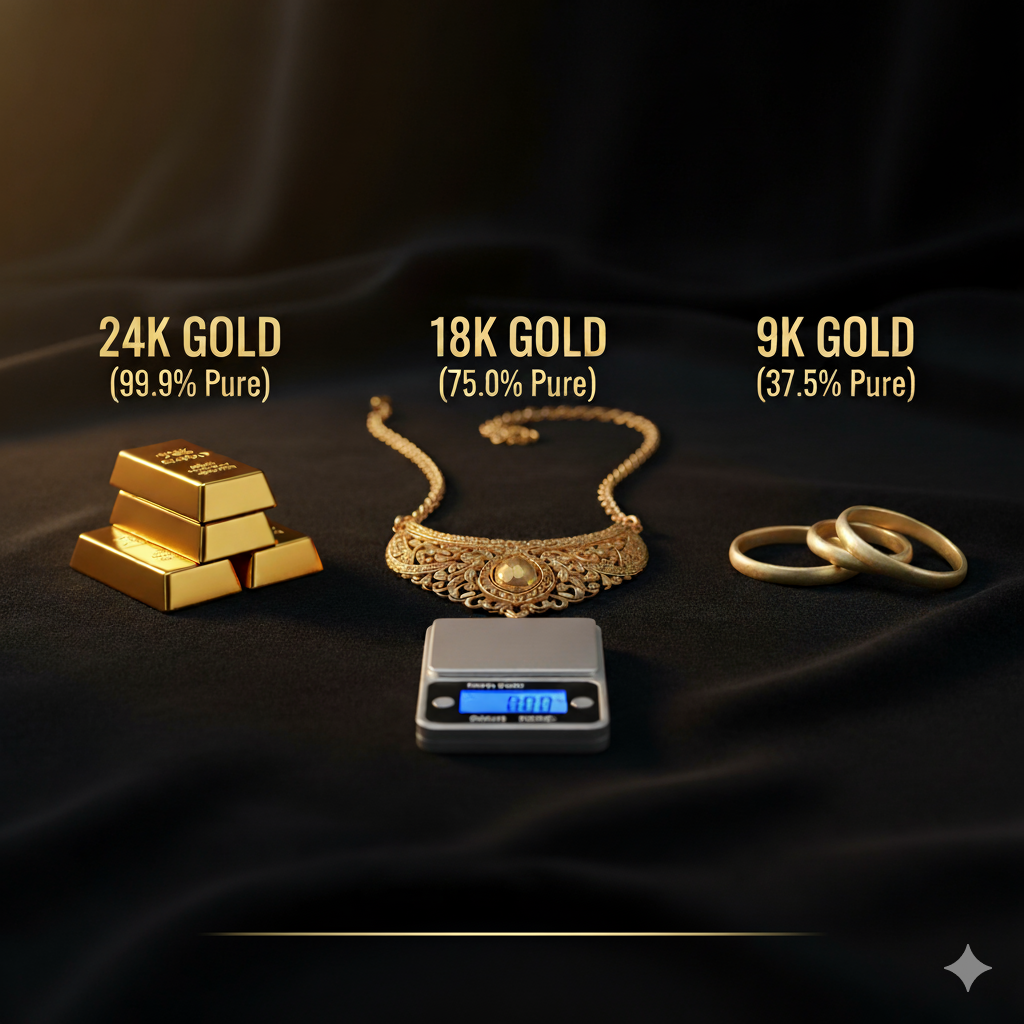
- Purity: Expressed in karats (24K, 22K, 18K) or fineness (e.g. 0.916 for 22K).
- Current Market Price: The global price for pure 24K gold, updated in real time according to the international bullion market.
Example: If you have a 10-gram 22K gold necklace and the current 24K gold rate is $100 per gram, then:
10 × (22 ÷ 24) × 100 = $916.67
That’s the base metal value, but the final buying or selling price can vary depending on other factors.
Factors That Influence Gold Pricing
While the formula above shows the metal value, several practical elements affect the total cost of gold jewellery or the amount you receive when selling.
1. Making Charges and Craftsmanship
Gold jewellery often includes design and labour costs. Intricate, handcrafted pieces usually carry higher making charges compared to simple machine-made designs.
2. Wastage and Refining Costs
During manufacturing, a small amount of gold is lost due to cutting or polishing. Jewellers add wastage charges, usually as a percentage of the total gold used.
3. Taxes and Hallmarking Fees
Government taxes such as GST and hallmarking certification costs add to the overall price. Hallmarked gold assures purity and protects both buyers and sellers.
4. Retail Margins
Jewellers apply a markup to cover operating costs and profits. That’s why two stores may quote slightly different prices for the same item.
How the Market Determines Gold Prices
The spot price of gold is influenced by global and economic factors that constantly shift supply and demand. Some of the key influences include:
- Supply and demand: When mining output is limited but demand rises, prices go up.
- Currency exchange rates: Gold is traded internationally in US dollars. Local currency fluctuations affect domestic gold rates.
- Inflation and interest rates: Gold often becomes more desirable when inflation is high or interest rates are low.
- Economic and political events: Market uncertainty or global crises can increase demand for gold as a safe-haven asset.
- Central bank activity: Central banks buying or selling gold reserves can shift international market prices.
Because these factors change daily, gold prices fluctuate regularly, sometimes even within hours.
Real-World Example of Gold Valuation
Imagine you have a 15-gram 22K gold bangle and the current 24K spot price is AUD 120 per gram.
- Purity factor = 22 ÷ 24 = 0.9167
- Metal value = 15 × 0.9167 × 120 = AUD 1,650.06
- Making charge = AUD 25/g × 15g = AUD 375
- Wastage (5%) = AUD 82.50
- Add retail margin and applicable GST.
The retail price could range between AUD 2,100 and AUD 2,200, depending on the jeweller’s policies and taxes. When you sell, a buyer pays on the metal value (the first line) rather than the retail extras.
Helpful Tips When Buying or Selling Gold
- Always check for hallmarking. Hallmarked gold helps confirm authenticity and purity.
- Request a detailed quote. Ask for a full price breakdown including metal value, making charges, and taxes.
- Compare market rates. Check live gold prices before making a transaction. Our live payout rates update throughout the day.
- Understand buyback terms. When reselling, buyers may deduct refining or handling costs.
- Choose trusted gold buyers. Work with reputable, transparent professionals who offer fair valuations and immediate payment.
Frequently Asked Questions
What does 24K mean?
24K is pure gold without any added alloys. It’s softer than other karats, so 22K and 18K are commonly used in jewellery.
Why do gold prices differ between jewellers?
Each jeweller applies different making charges, margins, and wastage rates.
How often do gold prices change?
Gold rates are updated daily based on global market movements and currency exchange rates.
Can I calculate the value of my gold myself?
Yes. Using the weight, purity, and current market price, you can estimate its base value. However, a professional buyer uses advanced testing such as X-ray fluorescence (XRF) to ensure accuracy.
Conclusion
Understanding how gold is valued helps you make confident choices when buying, selling, or investing. The true value of your gold depends on its weight, purity, craftsmanship, and current market conditions.
For accurate and transparent valuations, trust Top Gold, Sydney’s trusted gold buyer offering honest prices, immediate payment by instant bank transfer via Osko, or cash, and hassle-free service at our Ryde and Hurstville stores. Whether you’re selling scrap gold, jewellery, or bullion, we price it against the live market rate. Get a price estimate.
Sell gold near you
Gold buyers serving Sydney suburbs including:
Get a Price Estimate