Should You Sell Your Bullion Now or Hold It?
By Top Gold · 25 September 2025 · Updated 6 April 2026
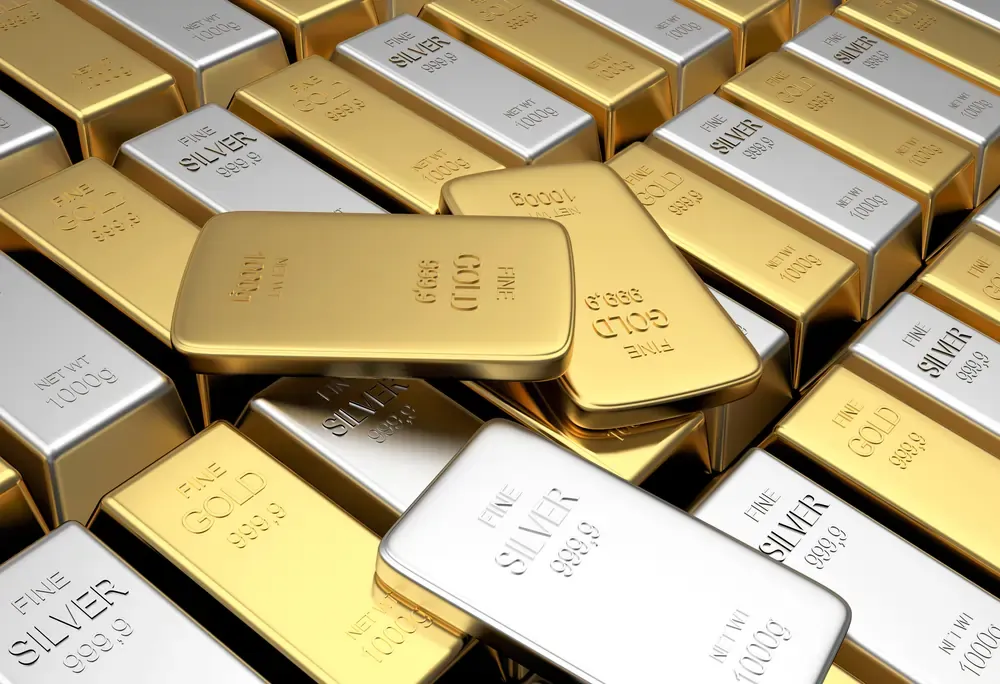
Bullion refers to precious metals such as gold bullion, silver bullion, or even platinum, usually shaped into bars or coins. Unlike jewellery, bullion is valued mainly for its weight and purity, making it one of the most trusted forms of wealth.
People choose bullion investment for many reasons. It is seen as a way to preserve wealth over time, protect against inflation, and provide a safe-haven asset during uncertain economic conditions. For centuries, gold and silver have held their ground as reliable stores of value when paper currencies or stock markets become unstable.
But here comes the big question: should you sell bullion now while prices are strong, or is it wiser to hold bullion for the long run? This is a common dilemma for anyone watching bullion price trends, and the answer often depends on personal goals, market conditions, and timing.
Understanding the Value of Bullion
Bullion, whether gold bullion or silver bullion, has been trusted for centuries as a way to store wealth. Its value doesn’t just come from being a shiny metal. It reflects global market forces, investor confidence, and economic conditions. For anyone deciding whether to sell or hold, it’s important to first understand what drives the price.
What Determines Bullion Prices?
1. Supply and Demand
Like any other asset, the value of bullion is shaped by how much is available versus how much people want to buy. When demand for bullion rises, especially during uncertain times, prices usually climb. If supply increases or demand slows, prices may fall.
2. Gold and Silver Spot Prices
The daily spot price of gold and silver plays a huge role. This is the real-time market price for immediate delivery of the metal. The spot price sets the base for gold and silver bullion values worldwide, and it changes constantly based on market activity.
3. Market Speculation and Investor Sentiment
Investor confidence also affects bullion price trends. When markets fear inflation, recession, or currency weakness, many turn to bullion as a safe haven. This wave of buying can push prices higher. When investors shift back to stocks or other assets, bullion prices may dip.
Bullion as a Long-Term vs Short-Term Investment
Long-term hedge against inflation. Many investors choose to hold bullion for the long run. Historically, gold and silver have acted as a hedge against inflation and currency devaluation. When the value of money falls, bullion often holds steady or even grows, protecting wealth over time.
Short-term profit-taking opportunities. Others see bullion as a way to make short-term gains. If prices rise suddenly, some investors sell to lock in profits. Timing the market can be tricky, so it’s important to weigh the risks before deciding.
Factors That Suggest You Should Sell Your Bullion Now
Deciding whether to sell or hold depends on both the market and your personal financial situation. Here are some signs it may be the right time to sell your gold or silver bullion:
- High market prices or record highs. Selling near a peak allows you to lock in gains before prices drop.
- Need for liquidity. If you need funds for emergencies, debt repayment, or a new opportunity, selling bullion can provide cash quickly.
- Portfolio rebalancing. If bullion makes up a large part of your portfolio, selling a portion can help restore balance.
- Better investment opportunities. If you see other opportunities that suit your goals, it may make sense to redirect funds.
- Economic outlook. When indicators suggest bullion prices may decline, selling earlier could protect your wealth. Inflation rates, central bank policies, and global events can help guide this decision.
Reasons to Hold Onto Your Bullion
- Uncertain global economy. In times of economic uncertainty, bullion often acts as a safe haven. When stock markets are volatile or currencies weaken, gold and silver usually hold their value.
- Inflation hedge. When the cost of living rises and money loses buying power, gold and silver tend to retain value.
- Long-term wealth protection. Families have passed down gold and silver bullion for generations because they preserve wealth over time.
- Diversification. Bullion often moves differently from stocks, bonds, or real estate, which can help balance a portfolio.
- Future growth potential. Past performance doesn’t guarantee future results, but many analysts believe bullion prices could continue to grow in the years ahead.
Market Signals to Watch Before Deciding
- Global economy. Inflation, recessions, or central bank moves often drive gold and silver bullion demand.
- Price trends. Rising charts suggest holding; peaking or weak prices may signal selling.
- Currency strength. A weaker US dollar usually supports higher bullion prices.
- Geopolitics. Uncertainty and conflict often boost demand for safe-haven assets like bullion.
- Interest rates. Higher rates reduce bullion’s appeal, while lower rates make it more attractive.
Historical Trends
Historical price cycles. Gold and silver bullion prices tend to rise during uncertainty, inflation, or market crashes, and often cool when economies are strong and interest rates are high.
Analyst views. Many see bullion as a hedge against inflation and currency weakness, though rising rates may limit short-term gains.
Lessons from the past. Selling during highs (like 2011) secured profits, while holding through dips meant waiting longer. Those who held through the 2020 surge, however, gained significantly. The choice depends on both market cycles and personal goals.
Practical Tips for Bullion Investors
- Do I need cash now, or can I wait? If you need funds urgently, selling a portion of your gold or silver bullion might make sense. If you can wait, holding may let you benefit from future price trends.
- Set your financial goals. Some investors prefer short-term gains, while others focus on long-term wealth security.
- Sell partially instead of all. Selling part of your bullion unlocks cash when needed while keeping some as a safe-haven asset.
Conclusion
Deciding whether to sell or hold bullion is not always simple. Selling can help you take advantage of strong prices or free up cash when needed, while holding may provide stability as part of a long-term strategy.
The best choice depends on your personal financial goals, the current market, and how much risk you are comfortable with.
When you’re ready to sell, contact Top Gold or visit our Ryde or Hurstville store for a free, transparent valuation against today’s live spot price, with immediate payment by instant bank transfer via Osko, or cash.
This article is general information only and isn’t financial advice. For advice about your own situation, speak with a licensed financial adviser.
Sell gold near you
Gold buyers serving Sydney suburbs including:
Get a Price Estimate